
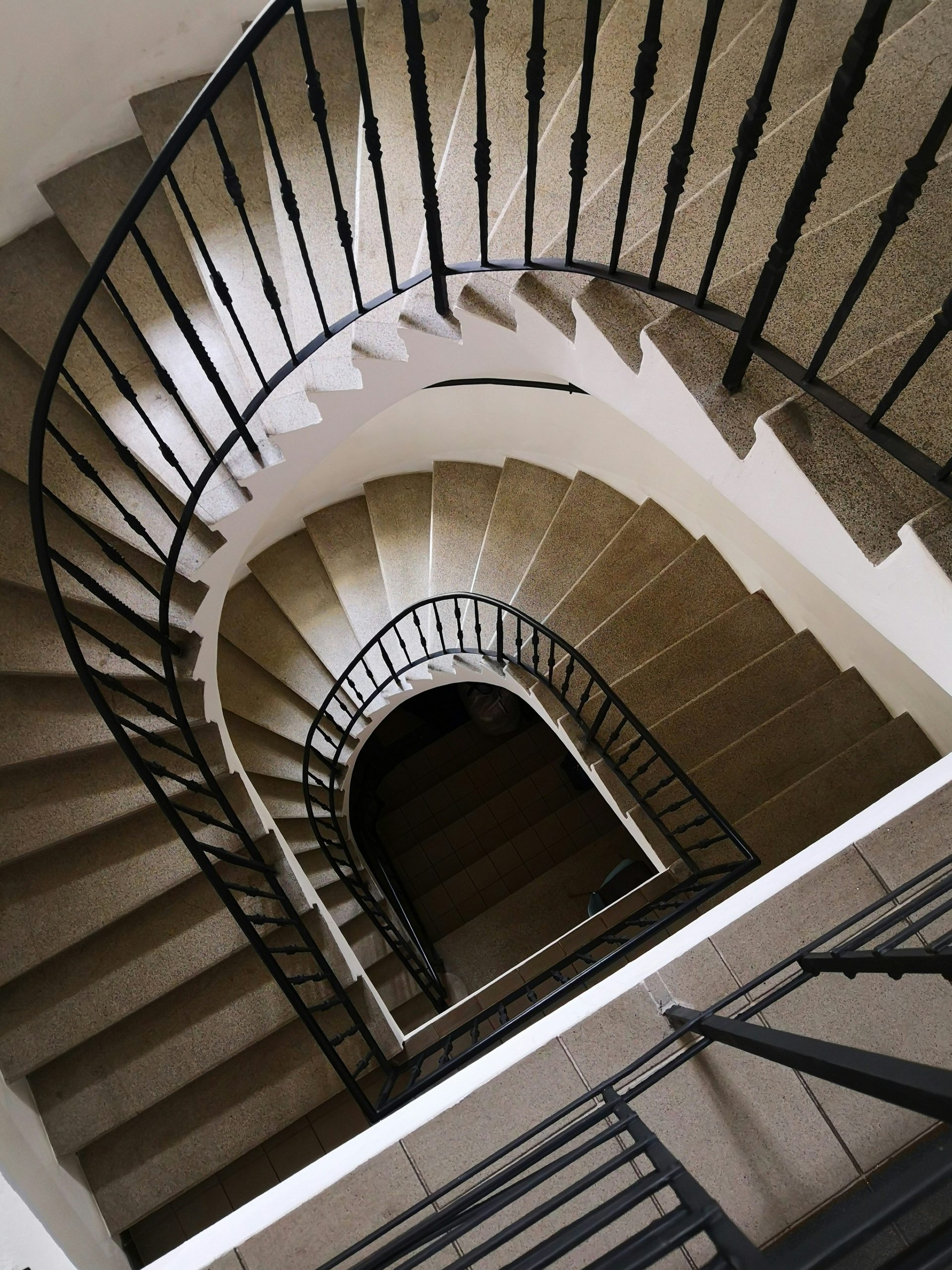
The UK’s approach to building safety continues to evolve following a series of major regulatory reforms aimed at improving fire safety standards across the residential sector. One of the most significant recent changes is the government’s updated guidance requiring a second staircase in all new residential buildings above 18 metres in England from 30 September 2026.
This policy forms part of a broader programme of reforms designed to strengthen occupant safety, improve emergency evacuation capabilities, and increase resilience in high-rise residential design. Alongside the implementation of the Building Safety Act, the second staircase requirement represents another major shift that developers, investors, architects, and contractors must now incorporate into future project planning and viability assessments.
Why the guidance has changed
The introduction of a mandatory second staircase reflects a growing focus on evacuation strategy and fire service access in taller residential buildings. While the UK already operates under some of the world’s most stringent fire safety regulations, the updated guidance aims to further reduce risk in high-density residential environments.
A second staircase provides:
- An additional protected escape route for residents
- Greater flexibility for phased or simultaneous evacuation strategies
- Improved operational access for firefighting teams
- Increased resilience in the event one staircase becomes compromised during an incident
The change aligns England more closely with fire safety approaches already adopted in several international jurisdictions where dual stair cores are standard practice for taller residential buildings.

the financial impact on development
Although the safety rationale is widely understood, the policy does carry important cost and design implications for the residential development sector.
Testing undertaken on a representative model indicated that the inclusion of a second staircase added approximately £1 million in construction costs to a400,000 ft² GIA residential building. This equates to an estimated additional cost of around £2.47 per ft².
While this increase may appear modest on a square-foot basis, the cumulative effect across large-scale developments can be substantial. Developers are likely to encounter impacts in several areas:
1. Reduced Net Sellable Area
A second staircase core inevitably requires additional circulation space, which can reduce the efficiency of floorplates and the total number of saleable or lettable units within a scheme.
For urban developments where land values are high and density is critical to viability, this may place pressure on project returns unless offset through redesign or increased building heights.
2. Increased Construction Complexity
Additional stair cores can create knock-on effects across structural design, MEP coordination, façade layouts, and vertical transportation strategies. In constrained sites, accommodating dual staircases may require substantial redesign work during planning and technical stages.
3. Programme and Planning Considerations
Projects already progressing through planning or pre-construction phases may need reassessment to ensure compliance ahead of the September 2026 implementation deadline. Early-stage engagement between developers, consultants, and approval authorities will become increasingly important.
a wider regulatory shift
The second staircase requirement should not be viewed in isolation. It forms part of a wider transformation of the UK building safety landscape following the introduction of the Building Safety Act.
Together, these reforms are reshaping how residential buildings are designed, procured, constructed, and managed throughout their lifecycle. Key themes emerging across the sector include:
- Greater accountability across the supply chain
- More rigorous gateway approval processes
- Enhanced documentation and digital record-keeping
- Increased scrutiny on design changes during construction
- Stronger emphasis on resident safety and long-term building management
For developers and asset owners, compliance is no longer simply a technical exercise, it is becoming a central component of risk management, investment strategy, and stakeholder confidence.
implications for the market
Over the medium term, the requirement for second staircases is expected to influence residential design standards across England, particularly within the build-to-rent, student accommodation, and high-rise mixed-use sectors.
Some industry commentators anticipate:
- A reduction in the number of “single-core” tower designs
- Greater focus on mid-rise development typologies
- Increased construction costs feeding into viability pressures
- More emphasis on design efficiency and modular construction techniques
However, despite the challenges, the reforms are also likely to strengthen long-term confidence in the residential sector by reinforcing building safety standards and improving resident assurance.
looking ahead
As the September 2026 implementation date approaches, the industry will need to adapt quickly. Developers with schemes currently in concept or planning stages should already be reviewing layouts, cost plans, and compliance strategies to avoid future redesign risks.
Ultimately, the second staircase requirement represents more than a technical amendment to guidance , it signals a continued shift toward a more safety-led development environment in the UK residential market. For organisations operating in the sector, early planning, integrated design collaboration, and proactive regulatory engagement will be essential to navigating this evolving landscape successfully. To talk more about how Quantem can help navigate this industry change and support project viability reach out and talk to us.